





Future Development Trends of Warehouse Racking
In the future, warehouse racking will be upgraded from static storage equipment to intelligent, high-density, green, and flexible core nodes of warehousing. The core features are intelligence, high density, greenness, modularity, and service orientation.
I. Core Development Trends
1. Intelligentization and Digitalization (Core Driving Force)
Deep Integration of IoT and AI: Shelving integrates sensors, RFID, and visual recognition to achieve location sensing, real-time inventory monitoring, and automatic inventory counting. Combined with AI algorithms, it enables dynamic location optimization, demand forecasting, and intelligent replenishment.
Digital Twin: Virtual simulation of shelving and warehouse operation allows for pre-optimization of layout, paths, and loads, improving efficiency and safety.
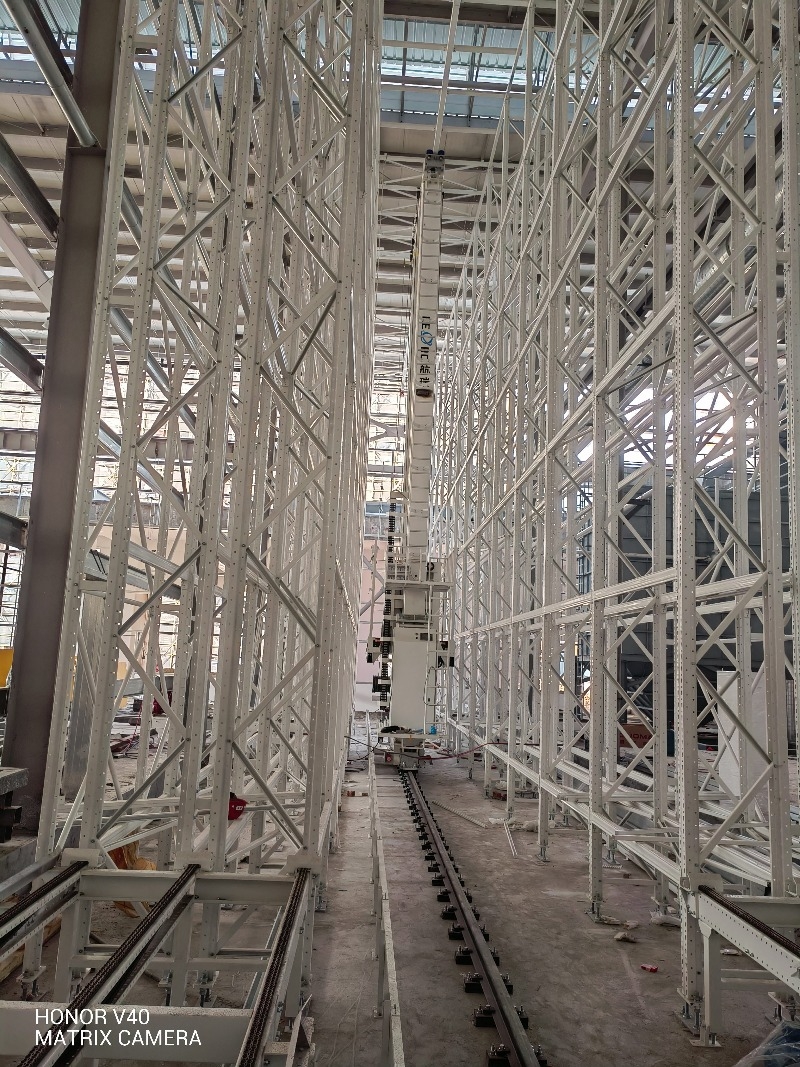
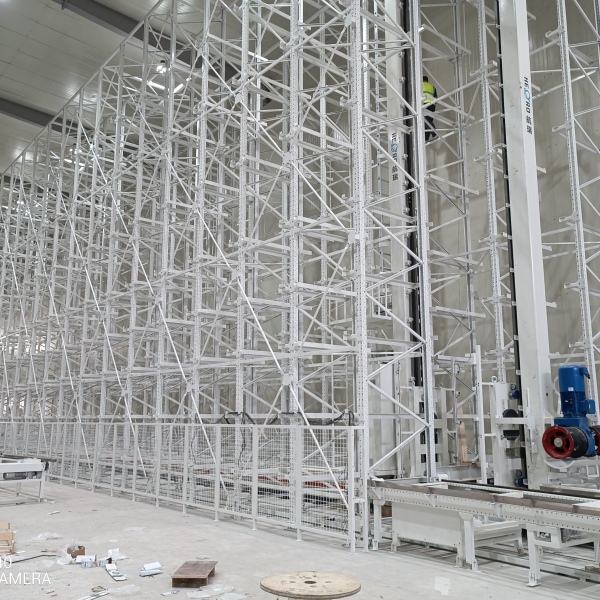
Unmanned Collaboration: Integration with AGVs/AMRs, shuttles, and automated storage and retrieval systems (AS/RS) enables goods-to-person, unmanned picking, and 24-hour operation, significantly improving efficiency and accuracy.
2. High Density and Space Efficiency
Vertical Depth: The widespread adoption of automated storage and retrieval systems (AS/RS) and vertical racking increases storage height and unit area capacity by 30%–50%.
Dense Storage: The widespread application of shuttle, gravity flow, and drive-in racking systems adapts to the high-turnover needs of e-commerce, cold chain logistics, and manufacturing.
3. Green and Low-Carbon Development
Materials Innovation: Application of high-strength lightweight steel, carbon fiber, and recyclable materials reduces carbon emissions throughout the entire lifecycle.
Process Upgrades: Low-temperature powder coating and hot-dip galvanizing replace traditional processes, reducing VOC emissions.
Circular Economy: Modular design facilitates disassembly and reuse; a well-established system for the circulation and recycling of used shelving.
4. Modularization and Flexibility
Standardization + Scalability: Standardized basic modules and open interfaces enable rapid deployment, on-demand expansion, and flexible modification to adapt to various scenarios and business fluctuations.
Deepened Scenario Customization: Specialized shelving for pharmaceuticals, cold chain, new energy, and explosion-proof applications is becoming mainstream, meeting specific storage requirements.
5. Service-Oriented and Ecosystem-Based
From Selling Products to Selling Solutions: Providing full lifecycle solutions including design, installation, operation and maintenance, upgrades, and data services.
Emerging New Models: Shelving as a Service (RaaS), leasing, and SaaS-based operation and maintenance reduce initial customer investment.
Platform-Based Openness: Open APIs connect to WMS/WCS/ERP systems, building a smart warehouse ecosystem.
II. Market and Application Prospects
Scale Growth: The Chinese market is expected to grow at an annual rate of approximately 10%–12%, with smart shelving accounting for over 60% of the market.
Main Scenarios: E-commerce logistics, smart manufacturing, cold chain pharmaceuticals, new retail, and cross-border overseas warehouses will see the strongest demand.
Accelerated Domestic Substitution: Domestic companies are expanding their advantages in intelligent systems and high-density solutions, leading to a continuous increase in market share.
In short: Future shelving will be intelligent hardware that can sense, think, expand, and be more environmentally friendly, serving as the core infrastructure for smart warehousing and supply chains.