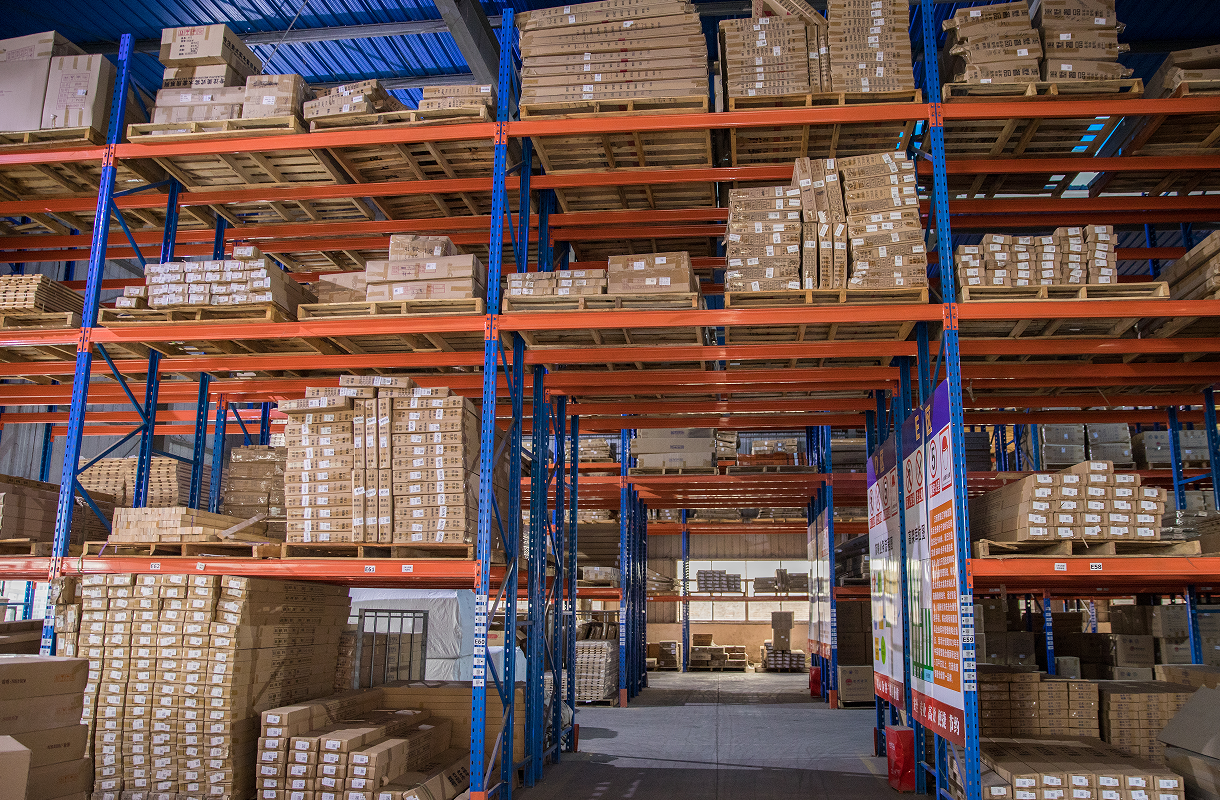






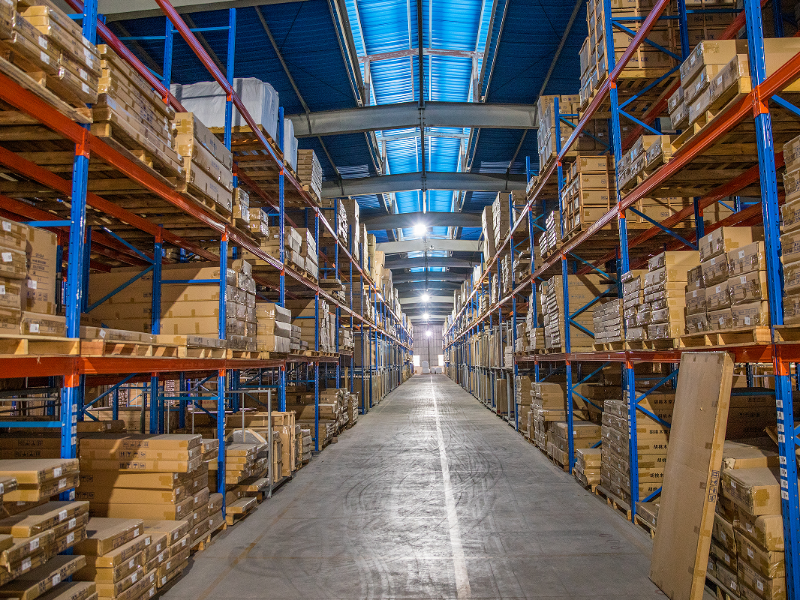
Calculating aisle width for warehouse pallet racking requires matching your equipment specifications to your facility's operational needs, balancing storage density against forklift maneuverability and safety clearances. The primary method uses forklift head length, pallet load length, and operational clearance to determine the minimum safe aisle dimension, while specialized equipment like VNA trucks can reduce aisle requirements to under 6 feet, potentially increasing storage capacity by 20–40 percent.
Optimization Strategies
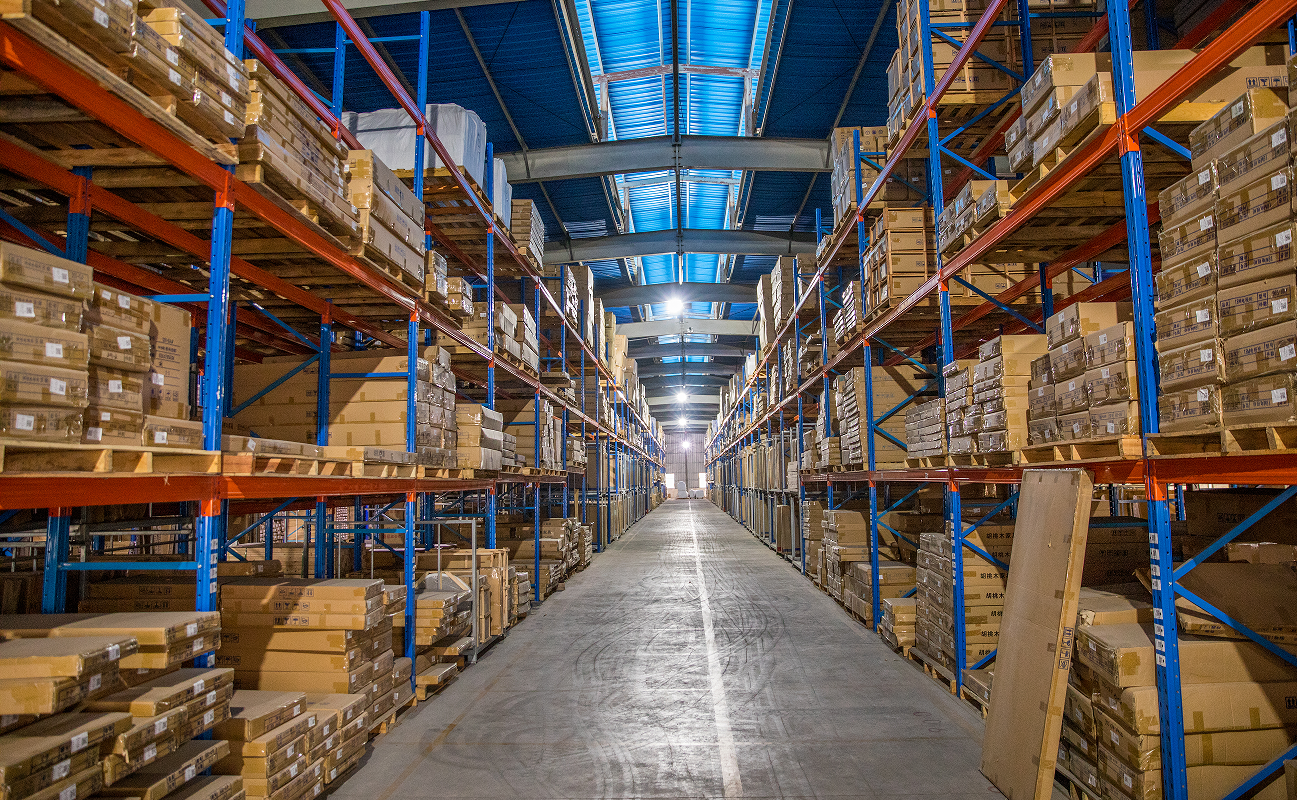
Reducing aisle width strategically can unlock significant warehouse capacity gains without sacrificing operational safety.
- Switch to Narrow-Aisle Equipment — , compared to 12–14 feet for counterbalanced models, capturing 30+ percent additional floor space for storage
- Implement VNA Systems — for racking up to 22 feet and as high as 40 feet use rail or wire guidance to operate in 5.5–7 foot aisles, maximizing vertical and horizontal density
- Calculator Tools — allow you to enter your facility dimensions, pallet specifications, and forklift type to model aisle configurations and compare storage gains across different equipment scenarios
- Professional Engineering Review — Always and engage a warehouse engineer to confirm final aisle width design, accounting for fire codes, seismic requirements, and local building regulations。