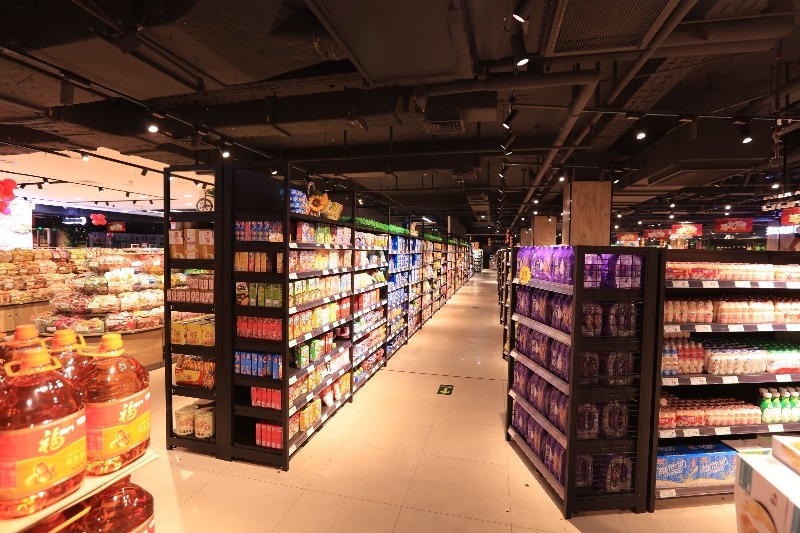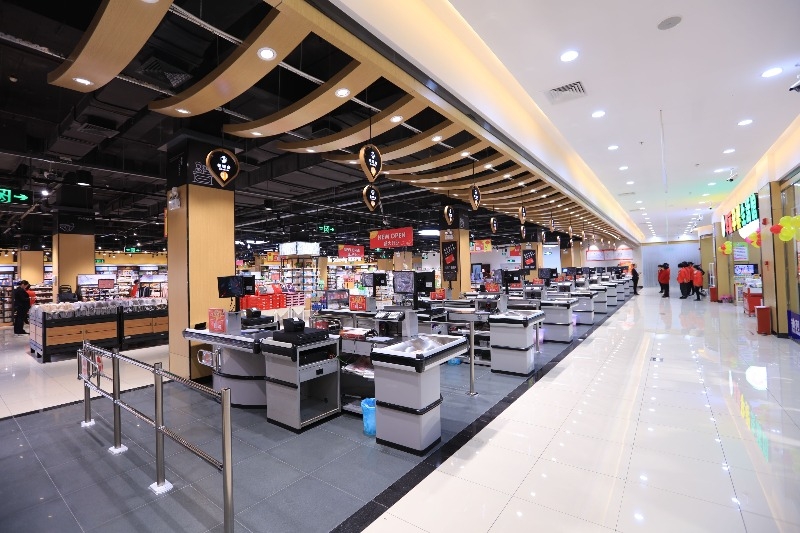






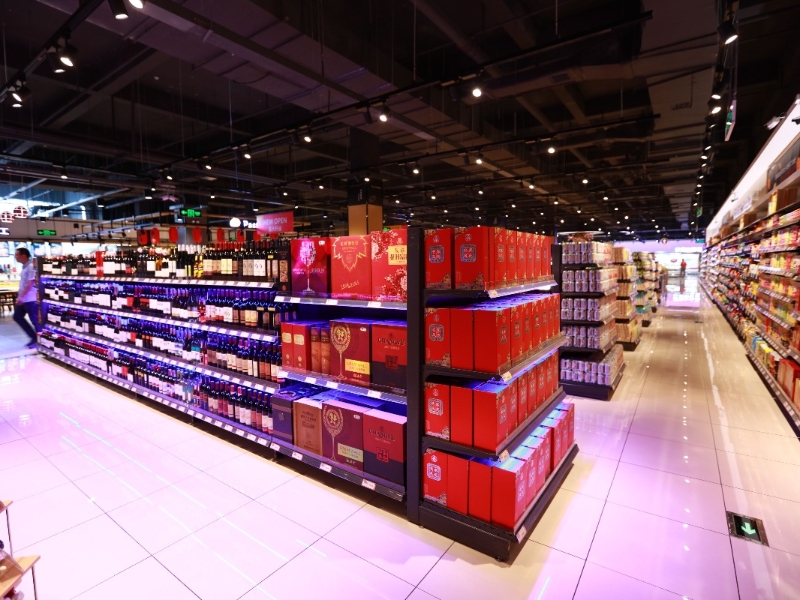
Supermarket shelves are upgrading from simple display tools to core carriers of intelligent, green, flexible, and scenario-based retail spaces, with the core focus on cost reduction, efficiency improvement, enhanced experience, and omnichannel integration.
I. Intelligentization: Data-Driven, Automated and Efficient
Electronic Shelf (ESL) Adoption: One-click price changes, real-time synchronization, and ERP integration replace paper price tags, reducing costs and improving efficiency.
IoT Smart Shelves: Gravity/visual sensors monitor inventory, temperature, and humidity in real time, automatically alerting customers to stockouts, improving replenishment efficiency by approximately 40%.
AI Display Optimization: Analyzing customer flow, movement patterns, and sales data automatically recommends prime locations and related displays, improving conversion rates.
Automated Collaboration: Integration with AGVs and WMS enables automated replenishment and dynamic scheduling, adapting to unmanned supermarkets/pre-positioned warehouses.
II. Green and Low-Carbon: Sustainability Becomes Standard
Environmentally Friendly Materials: Recycled steel, FSC-certified wood, high-strength engineering plastics, reducing weight by 30%+, and recyclable.
Low-Carbon Manufacturing: Water-based paint, phosphate-free treatment, reducing pollution; provides carbon footprint reports, compliant with ESG requirements.
Modular Reusability: Disassembleable, reconfigurable, and reusable across stores, reducing total lifecycle costs and waste.
III. Flexible Modularization: Quick Adaptation, Versatile and Adaptable
Tool-Free Installation: Columns + beams + shelves, easy to assemble and disassemble, adaptable to store renovations and seasonal adjustments.
Adjustable Height/Spacing: Adaptable to different products (snacks/daily necessities/fresh produce), improving space utilization.
Combined Design: Main frame + secondary frame + end frame + hanging net + hanging basket, freely combinable, suitable for community stores, boutique supermarkets, and discount stores.
Lightweight Trend: Slim columns and narrow frames enhance the sense of openness and reduce transportation/installation costs.
IV. Scenario-Based and Experiential Marketing: From Selling Goods to Creating Scenarios
Themed Displays: Grouped according to lifestyle scenarios such as "Dining for One," "Breakfast," and "Camping" to enhance cross-selling.
Interactive Shelves: Equipped with tasting stations, digital screens, and QR code prize draws, extending dwell time and enhancing the experience.
Omnichannel Integration: Shelf QR codes support online ordering, in-store pickup/home delivery, bridging online and offline channels.
Ergonomic Optimization: Enhanced prime display area (1.2–1.6 meters), inclined shelf design for easy access.
V. Business Format Adaptation: Customized for Specific Scenarios
Community Stores/Convenience Stores: Lightweight, narrow, and highly efficient, suitable for small spaces and frequent restocking.
Boutique/Membership Stores: Steel-wood composite, customized shelves, integrated lighting, high-end feel.
Discount Stores: Minimalist structure, few accessories, low cost, ultimate value for money.
Fresh Produce Zone: Equipped with drainage, trays, and preservation functions, suitable for fruits, vegetables, meat, poultry, and seafood.
VI. Future Directions: Digitalization and End-to-End Integration
Digital Twin Shelves: Virtual simulation for pre-planning layout, simulating customer flow, and optimizing displays.
Predictive Replenishment: AI predicts sales and automatically generates replenishment plans, reducing stockouts and overstocking.
Flexible Customization: Rapidly responding to new business models (front warehouses, self-pickup points, unmanned stores), allowing for on-demand combinations.
The future of supermarket shelves lies in the deep integration of modular hardware, intelligent software, experiential scenarios, and green sustainability, becoming a key infrastructure for retail digitalization and omnichannel operations.